


Last year we worked on different proof of concepts for various forms of AI native learning. This month we’re open sourcing one of them: Skilltrees AI.
Skilltrees AI
With skilltrees we wanted to do three things:
Project based learning,
Tailor it to a users specific need
Make it feel like playing a video game.
We achieved this in its first prototype form by having an AI assistant onboarding flow to gather what you want to learn, for what purpose, and then, we generate a tailored path to learning the thing and accomplishing the goal.
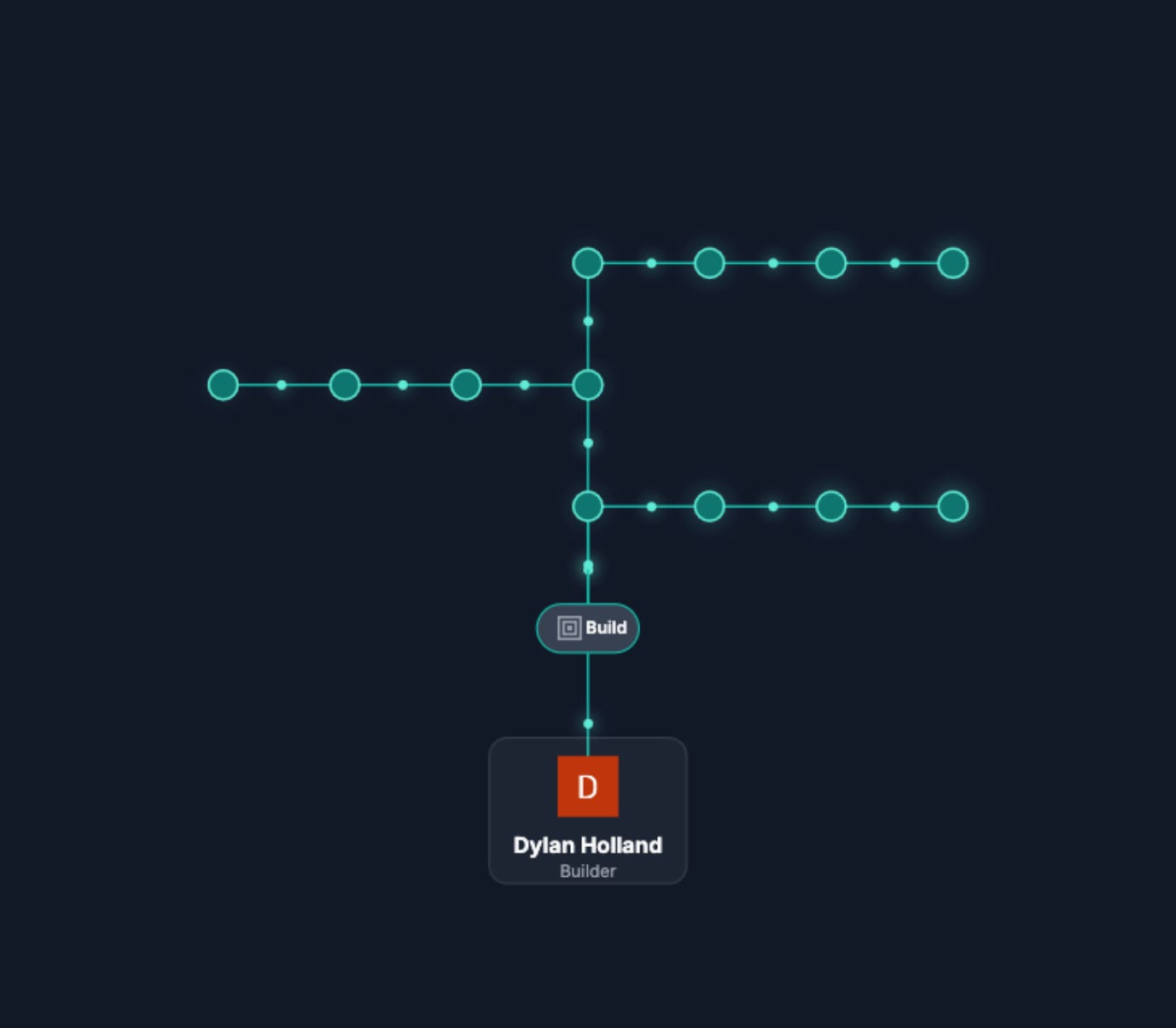
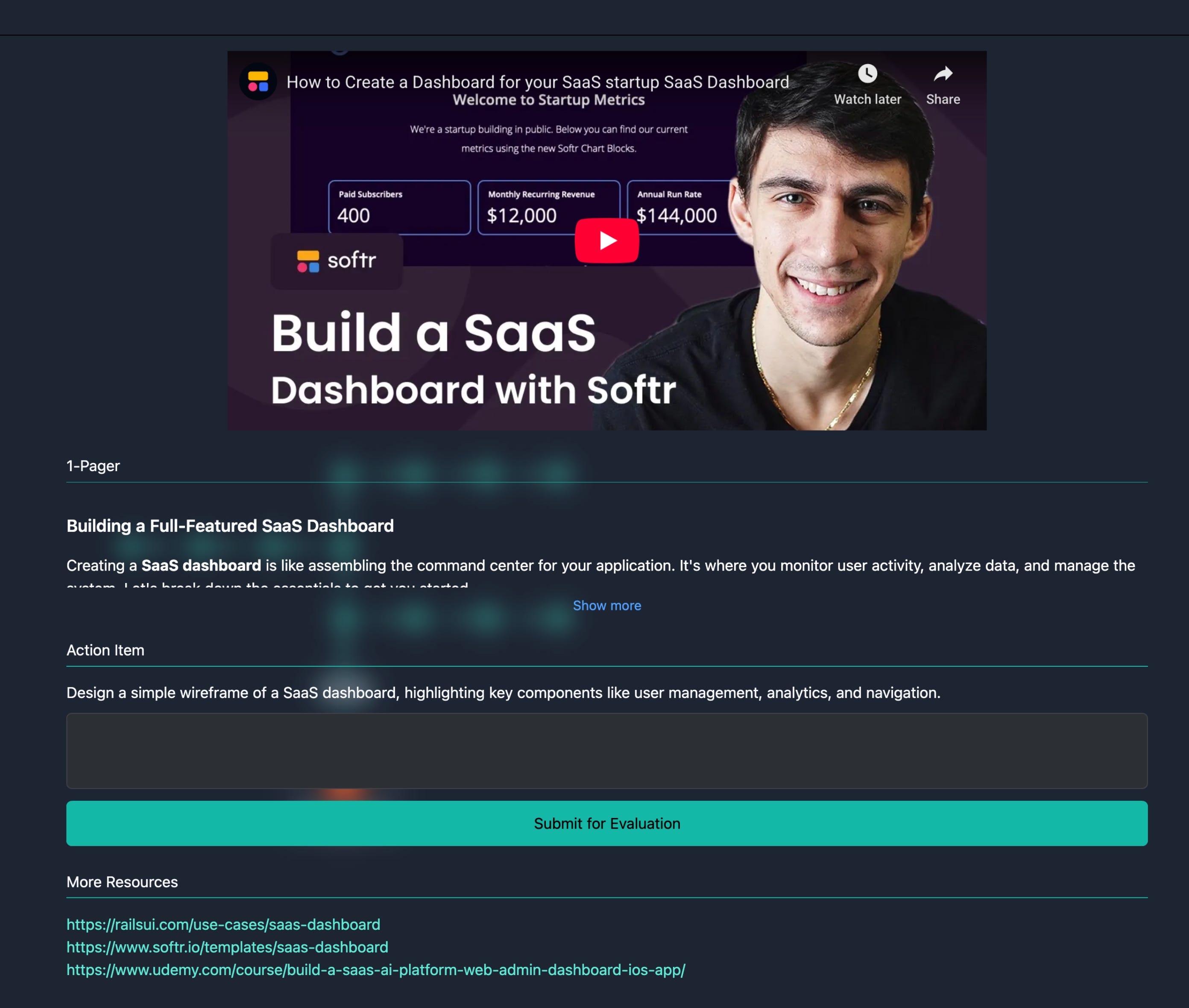
All of this is displayed on a canvas with a feel similar to a real time strategy game. It has a skills coach through chatbot experience, supplemental Youtube videos, and an AI that tests you for each skill.
Onboarding
The process starts by getting a blurb about what you want to learn and generating some basic questions for you to answer
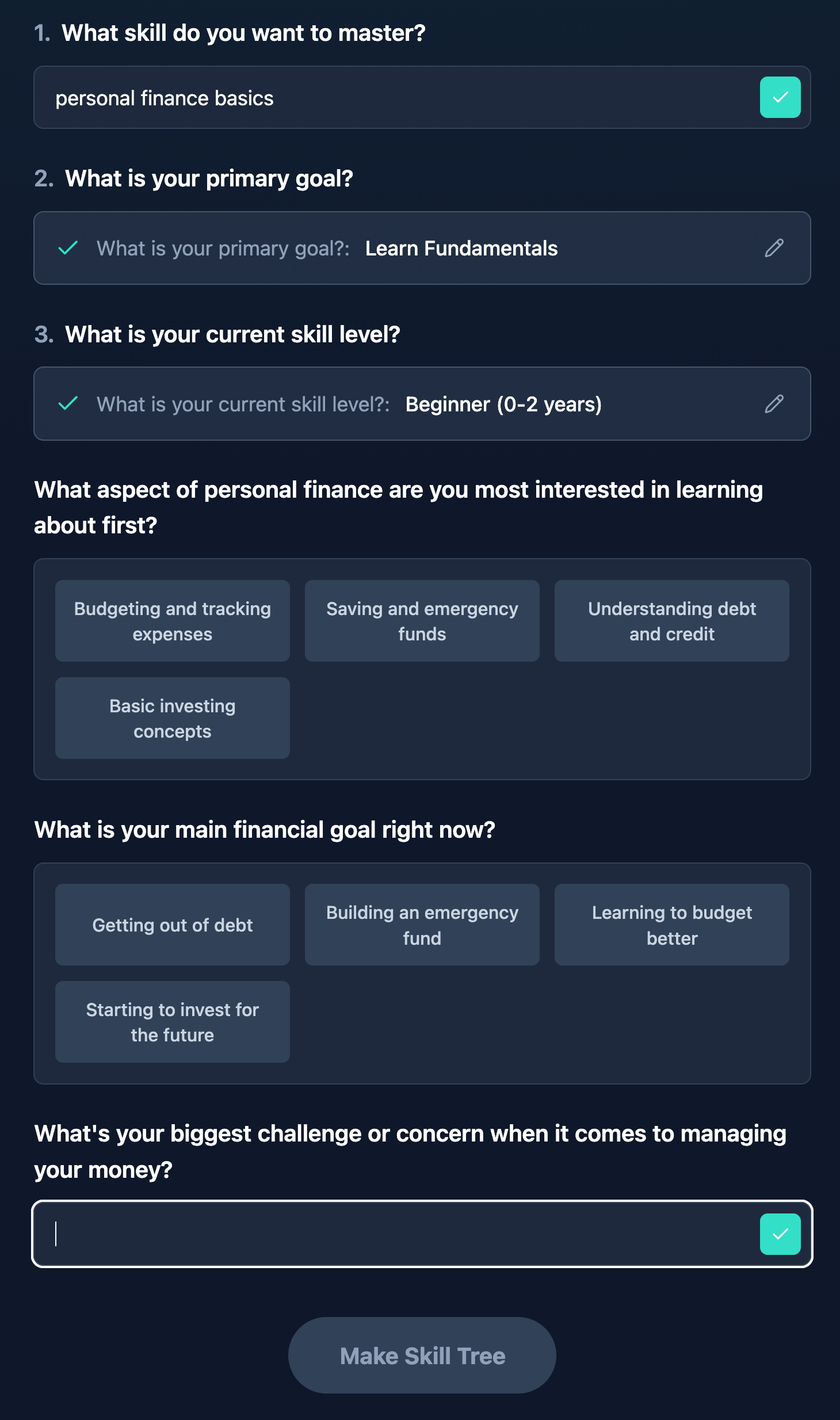
You can really tailor things to your specific needs, some trees we’ve seen or tested
Creating and marketing a microbrand bakery
Machine learning for hardware engineers
Develop lucid dreaming to explore your own subconscious
Trace the philosophical lineage of Existentialism from Kierkegaard to Sartre
Get up and running
Make sure you have docker, python, poetry and node/npm installed
clone the github repo
copy the
.env.exampleto a new.envand fill out valuesrun
npm run setupwhich will automatically setup docker containers, install dependencies and run the platform for you!navigate to
http://localhost:3000and start the flow!
Some ideas for next set of features
We’re open sourcing these projects so more people explore the question: “What does AI-native learning tools look like?”
After getting the first set of user feedback, here are some ideas to continue to build on Skilltrees:
Make the canvas more intuitive. People wanted the titles and destinations to read more like a world map, step by step, than an abstracted constellation.
Progress state: grayed if not clicked, yellow if in progress, and green if completed.
Update action items and AI review for each action items. As this was a proof of concept, we focused on the overall interaction between each part of the prototype. We got feedback that the action items can be more specific and better tailored for what an individual wants.
If you have ideas, questions or comments, share below.
Made with curiosity by 🌐 Worldwide Studios, a 501c3 CA non-profit building AI-first products for learning.
We just launched our first AI in education fellowship for more open source builds. Read the announcement here.